SSS Blog (New Version)

Tomorrow It's a Wrap

Steve Shupe on Wednesday, May 13, 2026

I've been cleared to leave the hospital tomorrow. I'm still doing great, having no side effects from the treatment. Those may arrive in the next week or so as the number of modified CAR-T cells in my bloodstream increases. If the side effects are bad enough, I might have to return to the hospital, but I'm not expecting that will happen.

So I get to return to: delicious Suzie-made food, walks in the fresh air and sunshine, nights with uninterrupted sleep, normal showers with full flow, freedom from being tethered to the infusion machine. Autonomy!

The nurses and staff here at the Stanford Hospital have been so wonderful -- professional and kind -- that I may have to take Stanford off of my always-root-against college sports list. (Although I need to give that more thought, I wouldn't want to make any rash decision. Roll on you Bears....)

We have to stay in Palo Alto for another 20 days in case any bad symptoms arise. I also have 8 follow-up appointments scheduled during that time, which will be a 15-minute drive from our Palo Alto apartment rather than a 1.5 to 2 hour drive from Kensington.

I got one small data point today indicating that the treatment is probably working. The blood marker for the level of myeloma in my system was at 87 two weeks before I got the treatment. (Normal range is 3 - 20.) A test for that marker taken just 48 hours after I got the experimental infusion returned a reading of 81. Not a big change, but going in the right direction. It shows that the treatment's conversion of T-cells into cancer-killing CAR-T cells had already begun, and that those CAR-T cells had already started their killing spree. As more and more are converted, I fully expect the marker's level to go down more quickly.

Amazing, amazing stuff.

One thing I didn't fully understand before I started the trial was that the results of all of the many, many blood tests taken by Stanford on behalf of the trial's sponsor are confidential, even from me. I understand why the sponsor would want that, although I assume that at some point they'd need to release that data (de-identified, so no one would know which subject which data came from), either in connection with its release of the Phase 1 study results, or as part of an application to move on to next phase of obtaining FDA approval for the treatment. Still, I wish I could see the, not because I want to release it to the sponsor's competitors, but just to see what the effects of the treatment on me were over time. I'm a curious guy.

Finally, thanks to everyone for your concern and your messages of support and encouragement. They meant a lot to me and Suzie, and helped us keep our spirits up.

Stay tuned for further reports.
D+1 and Things are Good

Dollar Pitchers Back in the Day

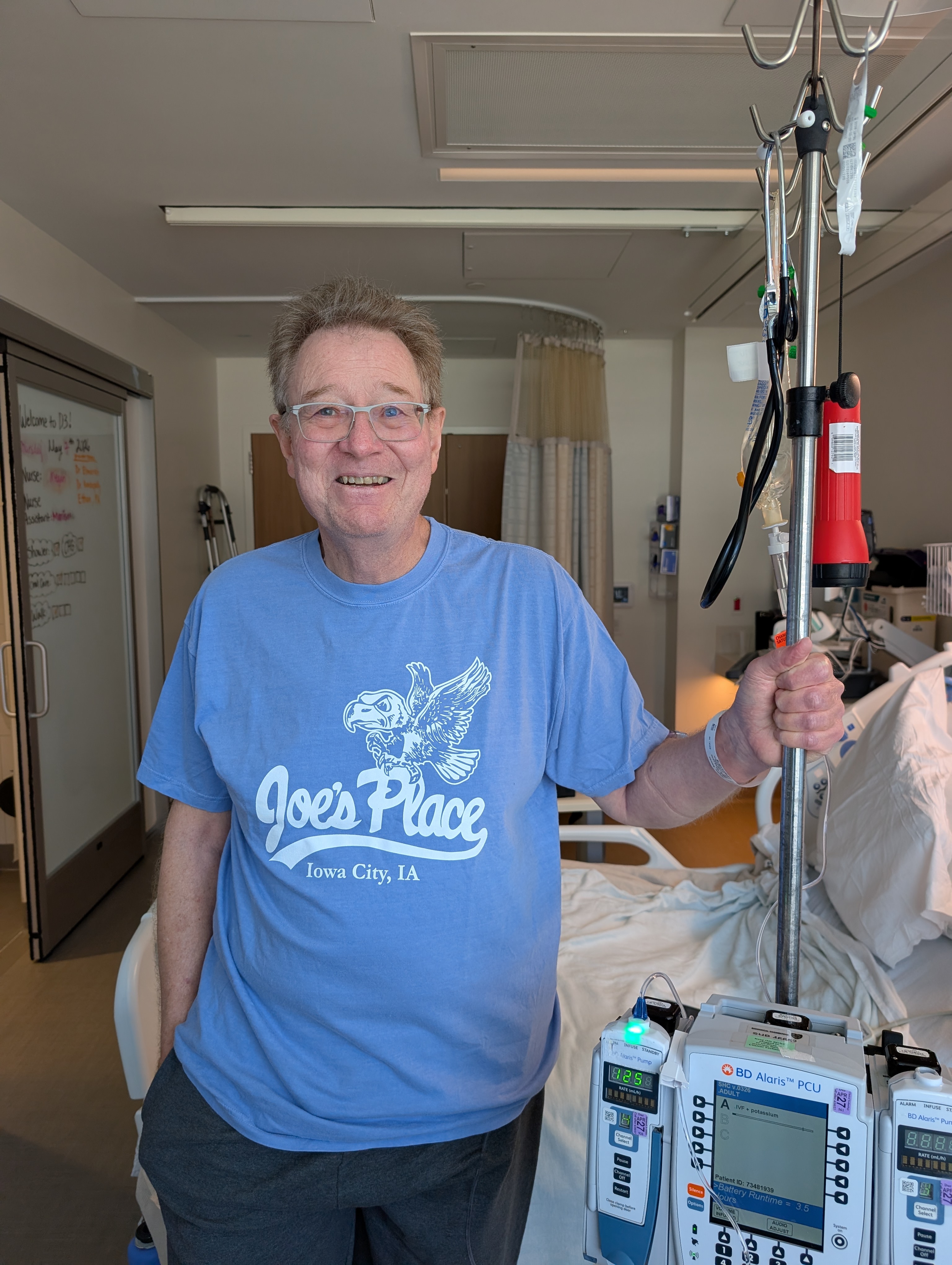
It's the day after I received the infusion of the KLN-1010 Phase 1 trial product. So far everything is going along as well as it could. I slept well last night (the Benedryl drowsiness won out over the dexamethasone buzz), except for being awoken at 11:30 pm and then again at 4:30 am for checks and blood draws.

So far I haven't had any symptoms from the infusion. The trial team stopped by today and confirmed my suspicion that because the CAR-T cells would be created by the viral vector over time, it was more likely that any symptoms would show up later in the week. The only slight glitch is that I've gained 5 pounds of water weight from the fluids they are infusing. Nothing like before my 2018 stem cell transplant, when the little infusion machine they called the "baby" put 30 pounds of water weight on me, making me look like the Michelin Man until I finally got a diuretic and peed it all out.

The explanation that the nurse gave was that liquids infused into your system aren't as easily or quickly excreted as liquids that go into your intestines. I asked why they bothered giving the liquid infusions, and she said that must people don't drink enough liquids, so they need the infusions. I drink a lot of water so I probably don't. At any rate, they did reduce my liquid infusion rate so hopefully that helps.

Suzie had good news -- her membership at the East Bay YMCA gives her the ability to use the Palo Alto YMCA without charge. So she went this morning before coming to the hospital. She said it was very nice, more like a club than a traditional "Y", and she enjoyed her workout.

As you can tell, not much news to report. I'm doing fine, and hoping that continues....

Ready to Roll

Steve Shupe on Monday, May 4, 2026

Ready to Roll

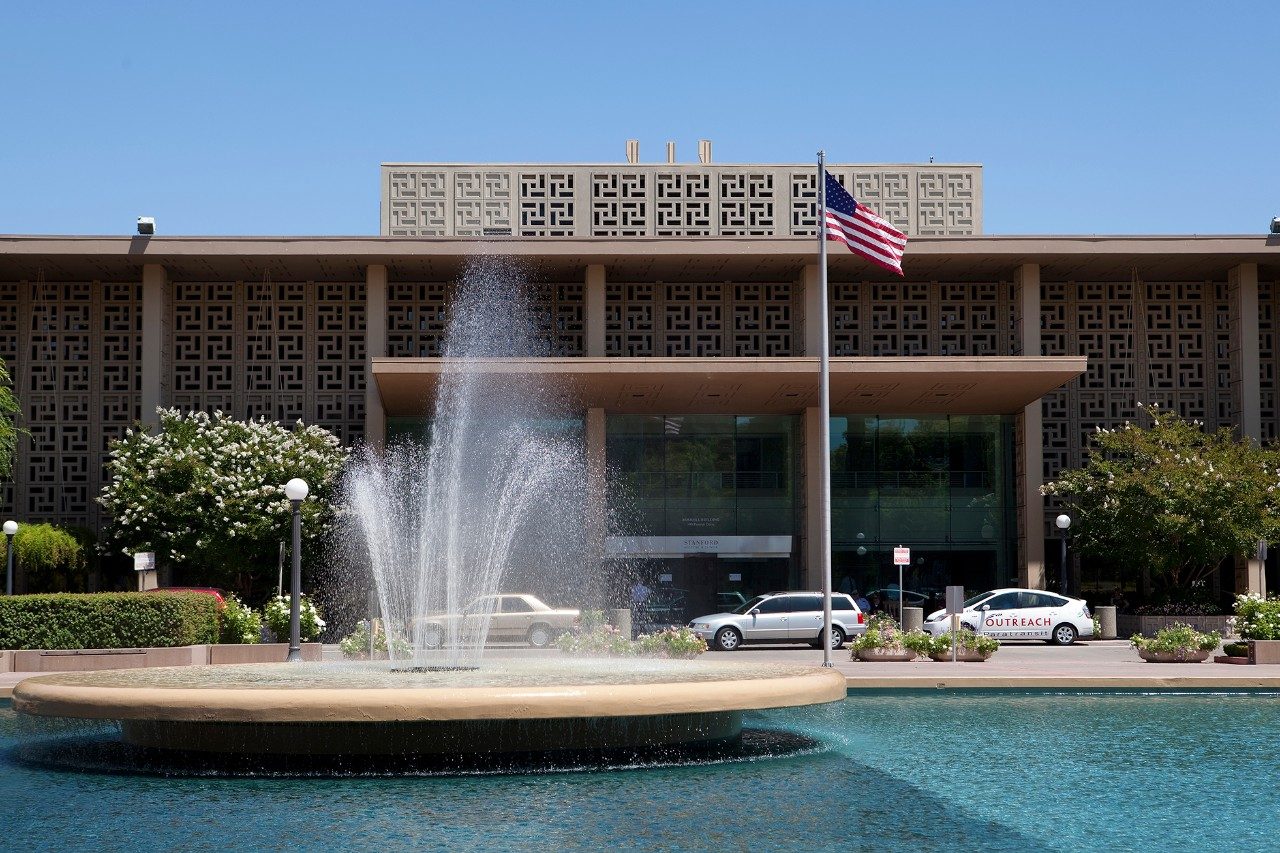
Old Stanford Hospital

I'm finally starting the trial. To get updates go to my existing site, click on a post, and subscribe to the site. Any new post will get sent to you automatically. Or check out that site or my new site from time to time.

It's here ... tomorrow I get admitted to the Stanford Hospital, and the next morning I get infused with the new Phase 1 trial treatment. I'm a little freaked out about possible side effects, but I know the team at Stanford Hospital is top-notch. I'm also not looking forward to ten days in the hospital. But I've taken two new books with me, plus my electronic menagerie (phone, tablet, laptop), so I'll survive.

To keep my mind off the treatment, I spent the last three to four days creating a new website. Not entirely from scratch, to be fair, but from a pretty plain template that I've done a lot of work on to improve. When I say "I've done a lot of work," what I mean is that Claude and I did a lot of work together. The experience has opened my eyes to the uses of AI. Particularly now, when you can not only ask AI questions, but also get it to implement changes to program files (the so-called "Agent" function), it's very easy (and mostly pleasurable) to code projects in tandem with Claude Code. I'll tell Claude how I want to change my site, it will walk me through the necessary code changes, I can ask repeated questions about the changes to make sure I understand them, then Claude can actually make the changes to the file.

The italicized language above is to me the most important. It turns Claude into a teacher. I'm not just giving "do this" instructions and not understanding how they're implemented, I'm learning how the changes are implemented, and then being spared the pain of manually typing the changes into the files. It's educational and fun. The best twenty dollars per month I've ever spent.

Not only did I/Claude make significant changes to the site, but we also implemented code that automatically sends any new post to my existing site, where I can review it and publish it, avoiding the pain of copying and pasting. That process was painful and I still don't trust it completely, but we'll see how it performs.

Can I get a Piece of This?

Lilly Corporate Sign

This story showed up in my newsfeed last week.

It's relevance? The company for which pharmaceutical giant Eli Lilly is paying $8 billion dollars is Kelonia Theraputics. Those of you paying close attention will remember that Kelonia is the developer of the new multiple myeloma treatment KLN-1010, which (if all goes well) I'll be getting the week after next as part of a Phase 1 trial at Stanford.

I took two things from this story.

First, if a big dog like Lilly is willing to pay that much for Kelonia, it must believe that its products, including KLN-1010, have a lot of promise. That's enouraging.

Second, as much as I'd like to think that the lion's share of that $8 billion will go to the scientists and researchers who actually develop its products, my gut (and my knowledge of the way things work in the acquisition world) tells me that most of that sum will go to the venture capitalists who funded Kelonia's startup, Kelonia's executives, and the financiers, deal-makers, and hangers-on who arranged for and work on the sale. To be sure, Kelonia's scientists won't be living out of their cars, but they won't receive nearly the benefit from the transaction that they should.

I'm a Guinea Pig

Steve Shupe on Saturday, April 18, 2026

I'm a Guinea Pig

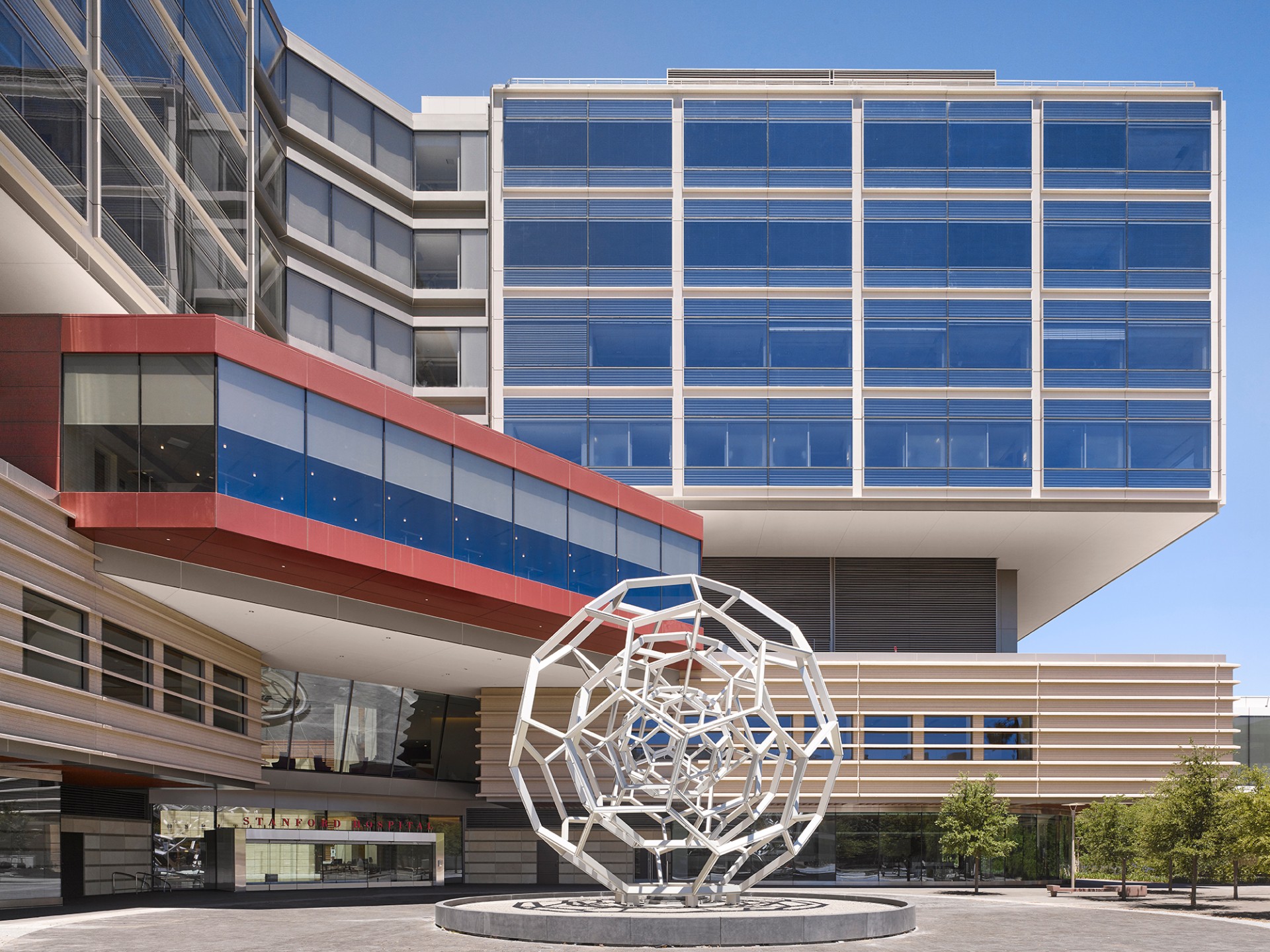
Stanford Hospital (New)

Early this year, the blood cancer I have had since 2018, which had been under control, returned. The cancer (called multiple myeloma) causes the bone marrow to over-produce cancerous plasma cells, which cause bone pain and damage, kidney damage, fatigue, frequent infections, and eventually death. Treatments can keep it at bay for extended periods of time, but the cancer eventually mutates. Later “lines” of immunotherapy-type treatments are less effective and have worse side effects.

Within the past 5 years, a new type of treatment has been developed, called “CAR-T.” This treatment extracts T-cells (which are a critical part of our immune system) and sends them to a laboratory, where they are genetically modified to kill myeloma cells. The modified CAR-T cells are then re-infused into the patient. CAR-T treatments do a good job treating myeloma, but can have serious long-term neurological side effects.

After speaking with my regular hematologist at Kaiser Permanente and a specialist at the Stanford Cancer Center, I’ve decided to participate in a clinical trial being undertaken at Stanford to test a new “in-vivo” CAR-T treatment. Instead of removing T-cells and sending them to a lab for modification, the new treatment infuses the patient with a modified virus that attaches to T-cells and injects an m-RNA strand that modifies the T-cells to kill myeloma cells. Early data on humans show this new treatment to be highly effective against myeloma with fewer and less severe side effects. It also avoids the 4 - 8 week manufacturing delay (important to me since the cancer has been building up since January) and the need for pre-infusion chemotherapy.

The trial is a “Phase 1” trial, meaning that this will be the first large-scale test of the new treatment on humans. While this makes it somewhat more risky, after speaking with my doctors and doing my due diligence, I’m convinced that the risks are acceptable when compared with the benefits. (More curious types can click the link below for a more technical summary of the new treatment.) This type of treatment – infusing viral vectors to modify cells so they fight cancer – is being used and tested on a large number of different types of cancers. I feel good about giving back to a medical research system that has kept me alive since 2018.

I’ll start the treatment on May 6. I have to spend 9 - 12 days in the hospital (in case serious side effects arise) and then another 2.5 weeks close to the Stanford medical facilities. As a test subject I’ll also have to go back from time to time for tests to check the long-term effects of the product. But if all goes well, in a month or so the cancer should be knocked down for another 2 - 3 years (or longer if I’m lucky).

Wish me luck, everyone. I’ll keep you updated as things progress.

Click here for more info on the new treatment

Previous 1 of 1 Next

Share this:

Facebook Bluesky Threads Twitter Email